

[For medical professionals, health-science learners, and informed readers interested in evidence-based medicine]
Scholarly Identification
Scholarly synthesis underpinning this work is archived in a public research repository (Zenodo), linked to the author’s persistent ORCID record, and indexed within OpenAIRE, supporting formal attribution, discoverability, and long-term accessibility across academic indexing systems.
Scholarly Profiles:
DOI: https://doi.org/10.5281/zenodo.18708554
ORCID: https://orcid.org/0009-0005-3523-774X↗
Introduction.
Brain fog is a common but often misunderstood condition, describing reduced mental clarity, memory issues, and difficulty concentrating. While not a medical diagnosis, it can significantly affect daily life and productivity.
Understanding brain fog symptoms and treatment helps identify early cognitive decline and prevent chronic fatigue.
1. Understanding Brain Fog Symptoms and Treatment: What Exactly Is Brain Fog?
People experiencing Brain fog often report:
- Difficulty concentrating
- Memory lapses
- Mental fatigue
- Mood instability
- Sluggish thought processing
These symptoms may worsen with stress or illness and may come and go throughout the day.
What is Brain Fog? 3 Key Symptoms, Causes & Treatment Approaches – Read more here
2. Brain Fog Symptoms and Treatment: 3 Key Signs You Should Not Ignore
a. Lifestyle Triggers
- Lack of sleep impairs cognitive performance and memory.
- Poor nutrition, such as vitamin B12 or omega-3 deficiency, reduces brain function.
- Dehydration and stress also contribute.
b. Medications & Toxins
- Some medications (e.g., antihistamines, sedatives) can impair alertness.
- Alcohol and recreational drug use directly interfere with neurotransmitter function.
c. Neuroinflammation
One of the most overlooked causes is chronic neuroinflammation, often caused by:
- Autoimmune diseases (e.g., lupus, MS)
- Viral infections (e.g., long COVID, EBV)
- Gut-brain axis dysfunction
Inflammation disrupts brain signalling and weakens the blood-brain barrier, which contributes to fogginess.
3. Brain Fog Symptoms and Treatment: Common Medical & Lifestyle Causes
Non-Pharmacological Options
- Exercise.
- Mindfulness meditation.
- Anti-inflammatory diet.
- Good sleep hygiene:
Pharmacological Research
- Nootropics show promise in clinical settings
- Anti-inflammatory drugs are being studied as future brain fog treatments
4. Brain Fog Symptoms and Treatment: Effective, Evidence-Based Approaches for Clearer Thinking
Explore proven medical and lifestyle interventions—including nutritional correction, sleep optimization, cognitive support, hormonal assessment, and targeted neurological therapies—that help reverse brain fog and restore clarity.
Doctors often evaluate brain fog symptoms and treatment together because both diagnosis and response guide long-term care.
Conclusion: Why Identifying Brain Fog Symptoms and Treatment Early Truly Matters
Early recognition of brain fog—and applying the right treatment strategies—prevents worsening cognitive fatigue, improves daily functioning, and ensures timely detection of underlying medical conditions.
Modern research continues to refine how we approach brain fog symptoms and treatment through neurological and metabolic assessments.
You may also explore my related post on https://drhakimemedivault.com/brain-fog-symptoms-causes-treatment/
Clinical Insight: A Note from the Self-Publisher.
“Brain fog is not just a nuisance—it can reflect deeper neurological inflammation. This booklet simplifies the complex neurobiology of cognitive haze with medical illustrations and examples.”
— Dr. H. K. Saboowala, M.B.(Bom), M.R.S.H.(London)
Want to dive deeper?
Explore the full illustrated eBook:
Front cover with caption below.
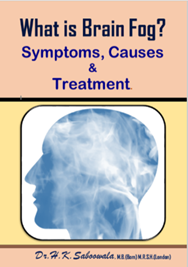
What is Brain Fog? Symptoms, Causes & Treatment.
An Informative Overview.
How to Get a Book:
Visit: https://drhakimemedivault.com
OR
Scan “QR code” below to buy and explore over 350+ high-value medical titles.

Related reading:
• Brain Fog: Symptoms, Causes, and Clinical Perspectives
• Neuroinflammation and Cognitive Dysfunction
• Metabolic and Hormonal Influences on Brain Function • Integrative Approaches to Cognitive Health
Further Reading
• National Institute of Mental Health (NIMH) — Cognitive Function and Brain Health
https://www.nimh.nih.gov
• Mayo Clinic — Cognitive Health and Brain Function
https://www.mayoclinic.org/healthy-lifestyle
Medica Review.
“Brain fog is more than forgetfulness—it’s often a sign of systemic inflammation. By understanding its root causes, we can take a targeted approach to improve cognitive function.”
Dr. Maya R. Sen, M.D., Cognitive Neuroscience Specialist, Harvard Medical School
Thank you note
With appreciation,
Dr. H. K. Saboowala
M.B.B.S. (Bom), M.R.S.H. (London), F.F.M. (UK)
Closing Note
To explore 350+ illustrated medical booklets, visit: https://drhakimemedivault.com
Note To Readers:
This content is professionally compiled from credible medical literature and aims to serve as an educational resource for busy medicos. It does not offer medical advice or treatment recommendations.
Download Academic PDF Version
https://drhakimemedivault.com/wp-content/uploads/2026/04/Brain-Fog-Academic.pdf