
Introduction
Chromosome structure represents a fundamental pillar of modern molecular biology, integrating genetics, epigenetics, and cell biology into a unified framework of genomic organization. Traditionally viewed as static carriers of genetic material, chromosomes are now recognized as highly dynamic entities that actively regulate DNA replication, transcription, and cell division. Their structural integrity is essential for maintaining genomic stability and ensuring accurate transmission of genetic information.
The Mystery of Chromosome Structure
For decades, chromosome organization remained one of biology’s most intriguing challenges. Early observations described condensed chromosomal bodies during cell division, but their internal organization was poorly understood. Advances in molecular biology transformed this perspective, revealing that chromosomes are intricately folded structures governed by precise regulatory mechanisms.
This shift from static to dynamic understanding has been central to modern genomic science, emphasizing that chromosome structure is both structured and functionally adaptable.
Visualizing Chromosome Condensation
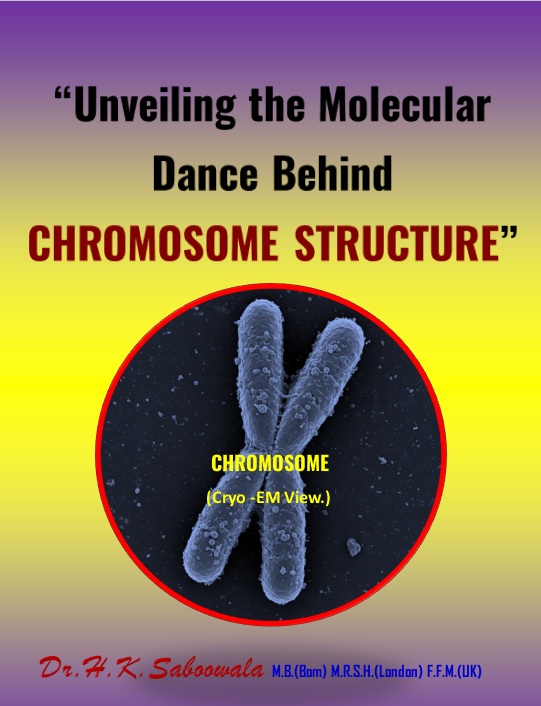
Technological advancements have made it possible to observe chromosome behavior with increasing precision. High-resolution imaging and molecular techniques have demonstrated how long DNA strands are compacted into organized structures during cell division.
Chromosome condensation is a highly regulated process that ensures accurate segregation of genetic material. These insights have allowed scientists to move beyond theoretical models to direct visualization of chromosomal dynamics.
Molecular Machinery: Condensin I vs Condensin II
Central to chromosome condensation are condensin complexes, which orchestrate the structural transformation of chromatin.
- Condensin II initiates early chromosome condensation by establishing axial structures.
- Condensin I contributes to later stages by promoting lateral compaction.
Together, these complexes ensure proper chromosome organization and segregation. Their coordinated activity is essential for genomic stability, and dysfunction can result in chromosomal abnormalities.
Chromatin Organization and Functional Dynamics
Chromosomes are composed of chromatin, where DNA is packaged around histone proteins to form nucleosomes. This basic unit enables efficient DNA packaging while maintaining accessibility for gene expression.
Higher-order chromatin folding regulates gene activity by controlling DNA accessibility. This dynamic organization allows cells to respond to developmental and environmental signals effectively.
Epigenetic modifications, including DNA methylation and histone changes, further regulate chromatin structure and gene expression without altering the DNA sequence.
Clinical Implications: Cancer and Genetic Disorders
Disruptions in chromosome structure are closely associated with disease. Chromosomal instability is a hallmark of many cancers, contributing to abnormal cell growth and tumor progression.
Similarly, structural abnormalities such as deletions, duplications, and translocations can lead to genetic disorders. Understanding chromosome architecture is therefore essential for advancing diagnostics and therapeutic strategies.
Evolution of Chromosome Science
The study of chromosomes has progressed from early cytogenetic observations to advanced genomic technologies. Key discoveries, including DNA structure and chromatin organization, have significantly enhanced our understanding of genomic function.
This evolution reflects the growing complexity of chromosome research and its importance in modern biomedical science.
Future Directions in Chromosome Biology
Emerging technologies are transforming chromosome research. High-throughput sequencing, structural genomics, and computational modeling are providing deeper insights into genomic organization.
Integration with artificial intelligence is expected to further enhance our ability to analyze chromosome structure and predict functional outcomes, opening new avenues for research and clinical applications.
Core Concepts and Clinical Implications
- Chromosomes are dynamic, highly organized structures essential for genomic stability
- Chromatin structure balances DNA packaging with functional accessibility
- Condensin complexes regulate chromosome condensation and segregation
- Epigenetic mechanisms control gene expression through structural modifications
- Chromosomal instability plays a key role in cancer and genetic disorders
- Advances in technology continue to reshape our understanding of chromosome biology
Access the Full Book
Explore the complete work: Unveiling the Molecular Dance Behind Chromosome Structure for an in-depth understanding of chromatin organization, molecular mechanisms, and clinical insights.
Unveiling the Molecular Dance Behind Chromosome Structure
Author Note
Dr. H. K. Saboowala, M.B.(Bom), M.R.S.H.(London), F.F.M.(UK), is an independent medical scholar with a focus on molecular biology, genomic medicine, and interdisciplinary clinical frameworks. His work aims to translate complex biomedical concepts into structured, clinically relevant insights for academic and professional audiences.
Further Reading