

Introduction to COVID-19 Pathogenic Mechanisms
Coronaviruses are positive-sense single-stranded RNA viruses with enveloped structures capable of infecting multiple species. The emergence of COVID-19 highlighted the complexity of viral transmission and host interaction.
Understanding covid-19 pathogenic mechanisms requires integrating structural virology, genome organization, and host-pathogen dynamics.
Structure and Genome in COVID-19 Pathogenic Mechanisms
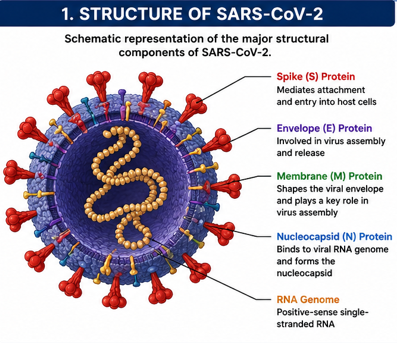
The virus responsible for COVID-19, SARS-CoV-2, possesses:
- A spike (S) protein enabling host entry
- Envelope and membrane proteins maintaining structure
- A nucleocapsid enclosing its RNA genome
Its RNA genome encodes proteins essential for replication and immune evasion—central to viral pathogenesis of COVID-19
Viral Life Cycle and Cellular Entry
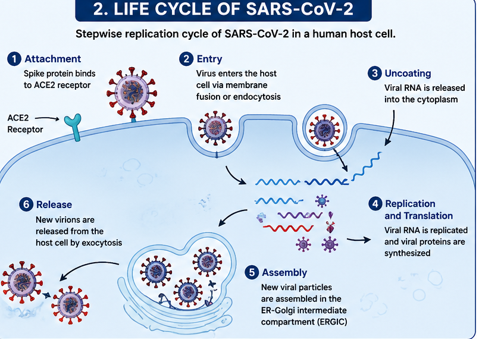
The infection process begins with receptor recognition, followed by membrane fusion and viral entry.
Key steps include:
- Binding to host receptors
- Entry via membrane fusion
- Release of viral RNA
- Replication and protein synthesis
- Assembly and release of new virions
Transmission Dynamics
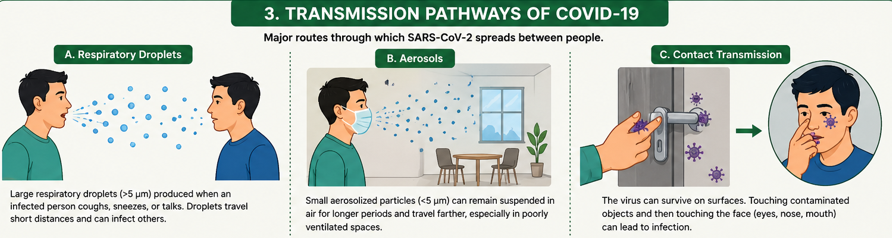
Transmission plays a crucial role in disease spread and epidemiology.
COVID-19 spreads primarily through:
- Respiratory droplets
- Aerosolized particles
- Close human contact
Host Interaction and Pathogenicity
The severity of COVID-19 is driven by complex host responses.
Major mechanisms include:
- Immune system activation
- Inflammatory cascades
- Tissue damage, especially in lungs
Dysregulated immune responses contribute significantly to disease severity, making them central to covid-19 pathogenic mechanisms.
Diagnostic and Clinical Considerations
Accurate diagnosis is essential for controlling transmission.
Common approaches include:
- Molecular testing (RT-PCR)
- Imaging techniques
Challenges such as false negatives and variability in sensitivity highlight limitations within diagnostic frameworks linked to covid-19 pathogenic mechanisms.
Therapeutic and Research Perspectives
Efforts to manage COVID-19 include:
- Antiviral therapies
- Immunomodulatory treatments
- Vaccine development
Targeting viral entry and replication pathways remains a major focus in addressing covid-19 pathogenic mechanisms.
Environmental and Societal Influences
External factors also shape disease dynamics:
- Temperature and humidity may influence viral stability
- Media plays a role in awareness and prevention
- Economic and supply chain disruptions reflect broader societal impact
These dimensions extend the understanding of covid-19 pathogenic mechanisms beyond biology.
Conclusion
COVID-19 pathogenic mechanisms encompass viral structure, transmission, host interaction, and environmental factors. A comprehensive understanding of these processes is essential for effective prevention, diagnosis, and treatment strategies.
Core Insights
- COVID-19 pathogenic mechanisms involve viral entry, replication, and immune response
- Transmission dynamics influence disease spread
- Host immune dysregulation drives severity
- Diagnostics and therapeutics target key molecular pathways
- Environmental and societal factors shape outcomes
Related Reading
COVID-19 Pathogenic Mechanisms: Transmission, Molecular Basis, and Clinical Impact
Further Resources
World Health Organization (WHO)”
Author Note
Dr. H. K. Saboowala, M.B.(Bom), M.R.S.H.(London), is an independent medical scholar focused on virology, molecular medicine, and translational research.
Download Full Academic PDF: